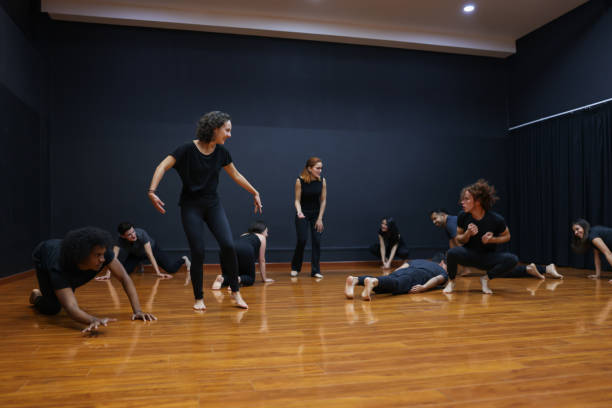
Choosing the right acting class or professional acting coach can significantly impact your growth and success as an actor. With countless options available, it’s essential to make an informed decision that suits your goals, skill level, and schedule. Below are some key considerations to evaluate when selecting an acting class or coach.
Assess Your Current Skill Level
Before committing to a specific class or coach, take stock of where you stand in your acting journey. Whether you’re a beginner looking for foundational skills or a seasoned actor aiming to refine your craft, knowing your current level will help you pinpoint appropriate options.
- Beginner: Look for classes that cover the fundamentals of acting, including voice work, movement, and script analysis.
- Intermediate: Seek training that focuses on performance techniques like scene work or character development.
- Advanced/Professional: Opt for specialized coaching in audition preparation, dialects, or on-camera techniques.
Research Teaching Methods
| Teaching Method | Focus Area | Best For |
|---|---|---|
| Stanislavski System | Emotional truth and realism | Actors seeking authentic performances |
| Meisner Technique | Reacting truthfully in the moment | Actors who thrive on spontaneity |
| Practical Aesthetics | Text analysis and simplicity | Actors seeking clarity in scene work |
| On-Camera Classes | Technical skills for film/TV | Aspiring screen actors |
Consider Class Size
The size of the class can greatly influence your learning experience:
– Smaller Classes (5–10 students): Provide more individualized attention from instructors. – Larger Classes (15+ students): Foster collaboration but may limit personal feedback.
Evaluate Credentials and Experience
Look into the background of potential instructors or coaches: – Have they worked professionally as actors? – Do they have experience training actors at your skill level? – What is their reputation within the industry?
Seek reviews from fellow students or testimonials about their teaching style and effectiveness.
Logistics Matter
Practical factors often determine whether an option is viable. Pay attention to: – Location: Is it easily accessible? – Schedule: Does it align with your availability?
– Cost: Does it fit within your budget without compromising quality?
Observe a Class Before Committing
Whenever possible, ask if you can observe a session before enrolling. This will provide insight into: 1. The dynamic between instructor and students. 2. The overall atmosphere of the class. 3. The type of exercises covered during sessions.
Trust Your Instincts
Ultimately, follow your intuition after gathering information. A great acting coach should inspire growth while creating a supportive environment tailored to your needs as an artist.
By carefully considering these factors, you’ll be well-equipped to choose an acting class or professional coach that aligns with both your artistic vision and practical needs.
Discover How to Define Your Goals and Needs Before Starting Acting Classes NYC
Choosing the right acting class or coach begins with a clear understanding of your personal goals and needs as an actor. Acting is a multifaceted discipline, and not every program or instructor will align with your unique aspirations. Defining your objectives upfront will help you focus your efforts and invest in training that accelerates your growth.
Why Defining Your Goals is Crucial
- Are you looking to pursue acting professionally or as a hobby?
- Do you want to develop specific skills, such as improv, voice work, or on-camera techniques?
- Are you focused on strengthening foundational skills or preparing for auditions?
- What type of acting most interests you — theater, film, commercials, etc.?
- Do you prefer group classes for collaboration or one-on-one coaching for personalized attention?
By narrowing down exactly what you’re hoping to achieve, you’ll be better equipped to choose a class that aligns with those objectives.
Identifying Your Strengths and Areas for Improvement
- Strengths: What qualities do people often compliment in your performances (e.g., emotional range, comedic timing)?
- Weaknesses: Are there specific feedback points you’ve received from previous auditions or projects
Setting Realistic Short-Term and Long-Term Goals
- Short-Term Goals (3–6 months): Identify immediate improvements you’d like to see (e.g., mastering monologues).
- Medium/Long-Term Goals (1–3 years): Think about bigger picture achievements (e.g., landing a lead role).
By combining short-term wins with long-term vision, you’ll stay motivated while tracking progress over time.
Matching Classes/Coaches with Your Objectives
- Research Specialized Programs: Look for classes that directly address areas where you’d like growth — whether it’s improv comedy workshops or intensive scene study sessions tailored for film actors.
- Evaluate Teaching Styles: Some actors thrive under constructive criticism; others need a more nurturing environment. Read reviews/testimonials about instructors’ teaching approaches before committing.
- Seek Industry Connections: If breaking into professional acting is a goal, prioritize programs led by teachers with strong industry ties who can offer personalized career advice alongside skill-building.
Acting is not one-size-fits-all; defining what success looks like for you ensures every class becomes part of a meaningful journey toward achieving it effectively — without wasted effort or resources.
Essential Tips for Finding the Best Acting Schools in New York for Your Growth
1. Research Different Types of Classes
Acting classes come in various formats, each designed to focus on different skill sets or areas of expertise. Understanding what’s available will help you decide what matches your current needs.
- Scene Study Classes: Focuses on breaking down scripts and performing scenes.
- Improv Classes: Helps build spontaneity, creativity, and adaptability.
- On-Camera Acting: Teaches techniques specific to film and television.
- Voice Work and Dialects: Focuses on vocal performance, clarity, and mastering accents.
- Movement and Physicality Classes: Enhances body awareness for stage or screen.
Take note of which formats seem most applicable to where you’d like to grow as an actor.
2. Review the Instructor’s Credentials
- Look into their professional background (e.g., past acting roles, directing experience).
- Check if they specialize in certain acting methods such as Stanislavski, Meisner, or Adler techniques.
- Read reviews or testimonials from former students to gauge their teaching style and approachability.
An instructor with real-world experience in the industry can also provide practical insights beyond basic technique.
3. Consider Class Size
The size of the class can impact how much individual attention you receive. Smaller classes often allow for personalized feedback and hands-on coaching, while larger ones may provide opportunities to network with more peers. Decide whether you prefer intimate settings or broader networking opportunities based on your comfort level and priorities.
| Class Size | Benefits | Challenges |
|---|---|---|
| Small (5–10) | Personalized feedback; tailored guidance | Fewer networking opportunities |
| Medium (10–20) | Balance of interaction & peer collaboration | Less direct attention from instructor |
| Large (20+) | Broader networking potential | Limited individual feedback |
4. Observe a Class Before Enrolling
- The dynamic between the instructor and students.
- The teaching method employed.
- The overall atmosphere – does it feel supportive yet challenging?
Paying attention during these sessions will give you a clear sense of whether the class is a good fit for your learning style.
5. Evaluate Location, Schedule, and Cost
- Location: Is it easily accessible from your home or workplace? Long commutes may become discouraging over time.
- Schedule: Can the class time accommodate other commitments in your life?
- Cost: Ensure tuition falls within your budget while also assessing whether it offers value for its price point.
Some studios offer discounts for new students or package deals if multiple sessions are purchased upfront—take time to explore these options.
6. Align with Your Goals
- Are you preparing for auditions?
- Are you mastering foundational skills?
- Do you aim to diversify by exploring new genres or methods?
By clarifying these goals upfront, you’ll be better equipped to select programs that directly support them.
Finding the ideal acting class isn’t just about picking one within proximity—it’s about investing in yourself as an artist through thoughtful research and decision-making. Take time during this process; growth happens when you’re in environments where learning feels engaging yet challenging at every step of the way.
Mastering Acting Notes: Tips for Success in NYC Acting Classes
Acting notes are an essential part of your growth as a performer. Whether you’re attending regular classes, rehearsing for a production, or working one-on-one with a coach, feedback serves as a guide to hone your craft. However, applying those notes effectively requires intention, focus, and strategy. Below are actionable steps to help you make the most out of every acting note you receive.
Listen Actively and Without Defensiveness
- Stay open-minded. Recognize that notes are meant to improve your performance, not criticize you as a person.
- Avoid interrupting or justifying your choices during the note-giving process.
- Take mental or physical notes if possible to ensure you remember key points after the session.
Clarify When Needed
- Politely ask for clarification. For example, “Could you elaborate on how I can make that moment more authentic?”
- Reframe the note in your own words to confirm understanding: “So you’re suggesting I slow down my delivery there to build tension?”
Being proactive in seeking clarity ensures that you’re implementing the changes effectively.
Break Down Notes into Actionable Steps
- Identify specific actions tied to each note (e.g., adjusting posture, vocal pitch, tempo).
- Focus on one key adjustment at a time during rehearsals or practice sessions. This prevents overload and allows for meaningful progress.
| Feedback Given | Possible Actionable Steps |
|---|---|
| “Your delivery feels flat.” | Experiment with varying tone and pace. |
| “You’re not grounded enough.” | Practice deep breathing exercises before scenes. |
| “The emotion doesn’t read.” | Integrate stronger physical gestures or pauses. |
Practice with Intention
- Dedicate time each rehearsal session to work exclusively on applying recent feedback.
- Record yourself performing with adjustments implemented; review later for self-evaluation.
- Partner with classmates or peers who can provide honest input on whether progress is visible.
Accept That Growth Takes Time
Not every acting note will result in instant change. Some adjustments require repeated attempts and ongoing exploration before they feel natural in performance situations.
- Celebrate small wins along the way—each step forward brings significant growth over time.
- Be patient when tackling complex aspects like emotional authenticity or character depth.
- Keep returning to foundational techniques (e.g., breathwork or text analysis) when struggling with advanced concepts.
Applying acting notes effectively is an ongoing skill that strengthens over time through consistent effort and reflection. With patience and dedication, every piece of constructive feedback becomes an opportunity for artistic development that enhances both your technical proficiency and creative expression as an actor.

Exploring New York Acting Schools: Choosing the Best Path for Your Acting Journey
When starting your journey in acting or seeking to refine your craft, it’s crucial to understand the differences between acting classes, workshops, and coaching. Each offers unique benefits tailored to different goals and stages in your development as an actor. Below, we compare these three options to help you select the right path.
Acting Classes
Acting classes are typically structured programs designed for consistent learning over a period of time. These classes are ideal for actors who want a comprehensive approach to building their skills.
Key Features of Acting Classes:
– Duration: Usually spans weeks or months with regular sessions (e.g., weekly).
– Group Setting: Conducted in groups, allowing actors to collaborate and learn from peers.
– Curriculum Focus: Covers a range of topics such as character development, scene study, improv techniques, and voice work.
– Instructor Feedback: Provides ongoing feedback with opportunities for improvement over time.
Who Should Take Acting Classes?
– Beginners looking for foundational training.
– Intermediate actors aiming to refine specific techniques consistently.
– Those comfortable learning in group settings.
Example Curriculum for Acting Classes:
| Week | Topics Covered | Activities/Exercises |
|---|---|---|
| 1 | Introduction to Acting | Trust exercises & icebreakers |
| 2 | Scene Study Basics | Partnered script reading |
| 3 | Character Development | Writing backstories |
| 4 | Improvisation Techniques | Group improvisation games |
Workshops
Workshops are short-term programs that focus on specific aspects of acting or specialized skills.
Key Features of Workshops:
– Duration: Often one-day or weekend events but may extend up to a week.
– Specialized Topics: Focuses on niche areas like audition techniques, on-camera acting, or dialect training.
– Networking Opportunities: Brings together students and professionals from diverse backgrounds for collaborative learning experiences in a condensed timeframe.
Who Should Attend Workshops?
– Actors looking for quick skill-building opportunities.
– Professionals exploring new perspectives or preparing for specific roles/projects.
Examples of Popular Workshop Topics:
– Mastering cold readings during auditions. – Emotional authenticity through method acting. – Movement-based workshops focusing on physical storytelling.
One-on-One Coaching
Private coaching offers personalized guidance tailored entirely to your needs as an actor.
Key Features of Coaching:
– Individual Attention: Sessions revolve around your unique goals (e.g., preparing a monologue for an audition).
– Flexibility: Scheduling is adaptable based on your availability and deadlines. – Immediate Feedback Loop: Coaches provide instant corrections or suggestions during sessions.
Who Benefits Most From Coaching?
– Actors preparing for high-stakes auditions or performances. – Individuals seeking focused attention on overcoming specific challenges (e.g., improving emotional range).
Key Comparisons: Acting Classes vs. Workshops vs. Coaching
| Feature | Acting Classes | Workshops | Coaching |
|---|---|---|---|
| Duration | Weeks/months | Short-term | Flexible by session |
| Focus | Broad skillset | Specialized topics | Individualized goals |
| Setting | Group-based | Group-based | One-on-one |
| Ideal For | Long-term growth | Skill enhancement | Targeted preparation |
By understanding how each option aligns with your current goals — whether you’re building foundational skills, exploring advanced techniques, or refining specific abilities — you can make an informed decision about which path is best suited for advancing your career in acting effectively and efficiently.
- NYC Acting Classes: Improv Techniques for Confidence, Connection, and Emotional Growth
- Top Acting Schools in New York: Your Path to Opportunities in TV, Film, and Commercials
- Top Acting Classes NYC: Elevate Your Skills with Paramount Techniques
- The Performer’s Academy: Your Guide to the Best Acting Classes New York Has to Offer
- Master Your Craft at Top Acting Schools in New York
- What to Consider When Choosing the Best Acting Classes New York Has to Offer
- How to Choose the Best Acting Classes New York Has to Offer for Your Growth as an Actor
- 6 Essential Tips for Success and Believing in Yourself Through Acting Classes NYC
- The Ultimate Beginners Guide to Acting Classes NYC: Tips to Boost Your Skills