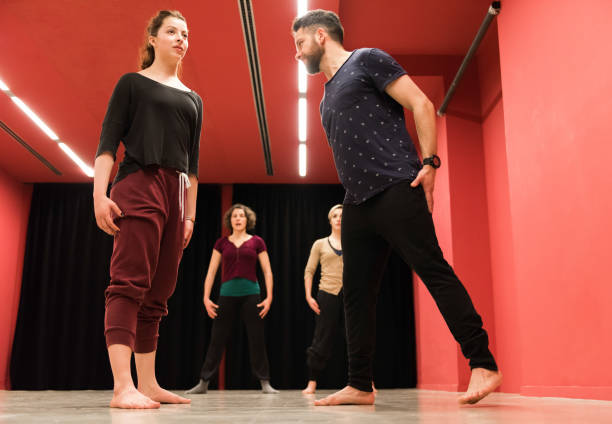
Choosing the right acting classes is one of the most critical steps in shaping your career in performing arts. Whether you’re a novice or an experienced actor looking to refine your craft, it’s essential to explore options that align with your goals and cater to your individual needs. Here’s a guide to help you evaluate acting classes effectively.
Assess Your Goals
- Skill Development: Are you looking for specific skills such as voice modulation, improvisation, or on-camera techniques?
- Industry Knowledge: Do you need insights into navigating auditions and understanding casting processes?
- Confidence Building: Are you seeking opportunities that will help boost your stage presence and self-assurance?
Clearly identifying these objectives will assist in narrowing down choices.
Research Different Types of Acting Classes
| Type of Class | Focus Areas | Best For |
|---|---|---|
| Scene Study | Breaking down scripts, character analysis | Intermediate/Advanced actors |
| On-Camera Acting | Working with cameras for TV/film | Actors interested in screen performance |
| Improvisation | Quick thinking, creativity, spontaneity | Building confidence and versatility |
| Voice and Speech Training | Dialects, vocal clarity, projection | Actors aiming for stage performances or voice work |
By understanding these categories, you’ll be better equipped to find a class that aligns with your aspirations.
Vet the Credentials of Teachers or Coaches
- Experience: Does the coach have professional industry experience? Have they worked on notable projects?
- Teaching Style: Read reviews or testimonials from former students about their teaching approach.
- Specialization: Ensure their expertise matches what you’re looking to learn (e.g., Shakespearean acting versus contemporary film).
Consider Class Size and Environment
- Smaller class sizes often allow personalized attention and feedback from instructors.
- A collaborative atmosphere where students support each other fosters growth.
Visit the studio if possible before committing—it will give you a sense of whether it feels comfortable and inspiring.
Budgeting for Classes
- The reputation of the school or instructor (highly acclaimed institutions may charge substantially more).
- Frequency—weekly sessions versus intensive workshops can differ significantly in cost.
- Additional costs like materials, headshots, and transportation expenses associated with attending the class location.
Don’t Forget Trial Opportunities
Many schools or coaches offer trial lessons or audits where prospective students can observe a session before committing financially. Use these trial opportunities wisely: take note of teaching techniques, how engaged participants are during lessons, and whether feedback is constructive.
Investing time in identifying the right acting classes tailored specifically to meet your goals can pave the way toward sustained success in this competitive field while enabling long-term personal growth along the journey.
How to Choose the Best Acting Classes NYC Has to Offer
Choosing the right acting school, classes, or coach can have a significant impact on your development as an actor. It’s a decision that requires careful thought and consideration to ensure you get the most out of your training. Below are some essential criteria to help guide your selection process.
1. Identify Your Goals
Before committing to any acting program or coach, take time to evaluate your goals as an actor. Consider the following:
– Are you looking to gain foundational skills or refine existing techniques?
– Do you want to focus on a specific medium (theater, film, TV)?
– Are you preparing for auditions or seeking long-term mentorship?
Being clear about what you want will help narrow down options that align with your aspirations.
2. Research the School’s Reputation
A school’s reputation can give insight into the quality of its training and the success of its alumni. Key factors to consider include:
– Notable Alumni: Have successful actors trained there?
– Industry Connections: Does the school have relationships with agents, casting directors, and production companies?
– Student Reviews: What do previous and current students say about their experiences?
| School/Coach Attribute | Why It Matters |
|---|---|
| Notable Alumni | Indicates proven results and effective teaching methods |
| Industry Connections | Helps with networking opportunities |
| Positive Student Feedback | Reflects satisfaction with training quality |
3. Assess the Curriculum
An effective acting program should offer a well-rounded curriculum tailored to various aspects of performance. Look for schools/classes that provide training in areas such as:
– Voice and speech development
– Movement techniques (e.g., Alexander Technique or Laban Movement)
– Improvisation skills
– Character analysis and script breakdowns
Make sure their teaching methods align with your preferred style—whether it’s Meisner Technique, Stanislavski System, or Method Acting.
4. Evaluate Instructors’ Credentials
The instructors’ expertise can greatly influence your experience. Investigate their background by asking these questions:
– Do they have professional acting experience in theater/film/TV?
– Have they directed successful productions or coached well-known actors?
– Are they actively involved in the entertainment industry?
Experienced instructors bring real-world knowledge that can prepare you for practical challenges.
5. Class Size and Personalized Attention
The size of a class impacts how much individual feedback you’ll receive from an instructor:
– Small Classes: Provide personalized attention but may be costlier
– Large Classes: Offer less one-on-one coaching but are often more affordable
Decide which type works best for your learning style.
6. Budget Considerations
While investing in your craft is essential, it’s important to choose classes within your financial means. Compare costs across different schools/coaches by considering factors like location, duration of classes, additional fees (e.g., materials), and installment options.
7. Opportunities for Practical Experience
Hands-on experience is vital for building confidence on stage or screen. Check whether schools offer opportunities such as live performances, showcases attended by agents/casting professionals, or participation in student films.
Selecting an acting school or coach is not just about finding convenience—it’s about shaping a career path aligned with both personal growth and professional aspirations. By considering these criteria carefully, aspiring performers can take meaningful steps toward achieving success in this competitive industry while honing their artistic skills effectively.
Uncover Top Talent at the Best Acting Schools in New York
Professional acting training is often considered the cornerstone of a successful acting career. While talent plays an undeniable role, structured training helps refine natural abilities and offers tools to navigate the complexities of the industry. Whether you’re just starting your journey or looking to enhance your skills, professional acting classes provide a foundation for growth and development.
The Value of Professional Acting Training
- Building Confidence: Acting classes help actors feel comfortable in their craft, allowing them to perform with poise on stage or in front of the camera.
- Mastering Techniques: From Stanislavski’s method to Meisner’s approach, these classes expose actors to proven techniques that enhance their performance range.
- Understanding Character Development: Training focuses on helping actors fully embody characters through detailed analysis and emotional connection.
- Networking Opportunities: Many professional acting schools connect students with industry professionals, including directors, casting agents, and coaches.
Training also provides structure and discipline that can be difficult to achieve independently.
Key Components of Professional Acting Classes
| Component | Description |
|---|---|
| Scene Study | Focuses on analyzing and performing scenes from plays or screen scripts. |
| Voice and Speech | Enhances vocal clarity, projection, accents, and articulation. |
| Movement | Develops physical awareness for portraying characters convincingly. |
| Improvisation | Sharpens creativity by encouraging spontaneous thinking during performance. |
| Cold Reading Techniques | Prepares actors for auditions where they read material without rehearsal. |
Each component addresses specific aspects of performance while contributing to an actor’s overall ability to convey emotion and authenticity convincingly.
How Professional Acting Training Shapes Careers
-
Audition Preparedness: Casting directors often look for polished performers who can adapt quickly during auditions—an essential skill honed through regular practice in professional settings.
-
Expanding Versatility: Learning different styles (comedy vs drama) allows actors to handle diverse roles effectively.
-
Enhancing Collaboration Skills: Group exercises teach teamwork as many roles require working seamlessly with others on set or stage.
-
Developing Discipline: Rigorous schedules prepare actors for demanding production timelines.
Final Thoughts
Becoming a star requires more than innate talent; it demands dedication, skill-building, and resilience—all of which professional acting training fosters effectively over time.
The Role of Talent in Acting and How to Develop It Further
Talent serves as the foundation of any actor’s career, but it is important to understand that raw talent alone is rarely enough to sustain long-term success. Acting requires dedication, discipline, and a commitment to continuous improvement. Whether you’re just starting out or are a seasoned performer, developing your talent further is essential. Here’s a deeper look into recognizing and enhancing your acting abilities.
Recognizing Your Natural Talent
Before you can improve your craft, it’s important to assess where your strengths lie:
– Emotional Intelligence: Do you naturally connect with emotions and express them convincingly?
– Adaptability: Are you able to step into different characters and scenarios with ease?
– Vocal Skills: Can you use your voice effectively across varying tones and dynamics?
– Physical Awareness: Do you use body language effectively to convey thoughts or emotions?
If you’re unsure about your natural talents, consider seeking feedback from mentors, peers, or instructors who can provide objective insights into areas where you shine.
Key Ways to Develop Your Talent as an Actor
- Enroll in workshops or acting schools that focus on core techniques like Meisner, Stanislavski System, or Method Acting.
-
Attend classes for improvisation or voice training for additional versatility.
- Practice movement-based disciplines such as yoga or dance for improved control over body language.
-
Engage in exercises like mime training or physical theater to explore creative ways of expressing emotion through movement.
- Use journaling techniques to explore personal emotions that can be translated into performances.
-
Participate in exercises designed to unlock deep emotional responses (e.g., memory recall practices).
- Study scripts from different genres (drama, comedy, tragedy) for exposure to diverse acting styles.
-
Watch acclaimed performances by established actors and analyze their techniques.
-
Seek Feedback Continuously
Constructive criticism plays a vital role in growth:
| Source | Benefits | Example Questions | |——————|————————————|————————————-| | Acting Coaches | Provide expert guidance | How can I refine this monologue? | | Fellow Actors | Peer-to-peer constructive feedback | Did my character seem authentic? | | Audience | Real-world perspective | What stood out most in my performance? |
Talent vs Skill: Understanding the Difference
| Aspect | Talent | Skill |
|---|---|---|
| Definition | Innate ability | Learned proficiency |
| Development | Needs refinement | Requires consistent practice |
| Example | Emotional depth | Perfecting accents/dialects |
Recognizing this distinction helps aspiring performers balance their approach between leveraging inherent strengths while working diligently on areas requiring improvement.
The Importance of Discipline in Cultivating Talent
Even the most talented individuals need structure to thrive professionally:
– Create a regular schedule for rehearsals. – Set measurable goals (e.g., perfecting a monologue by month-end).
– Stay open-minded—collaborate with others who challenge you creatively.
By actively seeking opportunities for growth while remaining committed to refining both innate abilities and learned skills, actors can push the boundaries of their potential further than they might expect.
The Role of Talent in Acting and How to Develop It Further
Talent plays a pivotal role in the world of acting. While it might seem like some individuals are naturally gifted, talent alone is rarely enough to sustain a successful acting career. Developing your skills through consistent practice, learning, and refinement is essential to unlocking your full potential. Below, we explore what talent means in acting and how you can nurture and elevate it for long-term growth.
What Does Talent Mean in Acting?
In acting, talent refers to more than just an innate ability to perform. It encompasses a combination of natural instincts, emotional intelligence, creativity, and adaptability. These qualities allow actors to connect with their characters and deliver authentic performances.
Core Components of Acting Talent: – Emotional Depth: The ability to access and express complex emotions effectively on screen or stage. – Instinctive Understanding: A knack for understanding characters’ motivations without overanalyzing. – Presence: Commanding attention while performing by fully embodying the character. – Versatility: Adapting one’s performance style across various genres or roles.
While some aspects of talent may feel inherent, every actor can refine their craft with dedication.
Ways to Develop Your Acting Talent
- Look for classes taught by experienced coaches who understand industry trends.
-
Opt for programs focusing on key techniques such as Meisner Technique, Stanislavski System, or improvisation.
- Join workshops that focus on dissecting scripts and performing scenes.
-
Collaborate with peers for valuable feedback on delivery and interpretation.
- Practice stepping into characters vastly different from yourself.
-
Engage in exercises like emotional recall to deepen authenticity.
- Study performances by accomplished actors across film and theater.
-
Take note of how they convey emotions through body language, facial expressions, or dialogue delivery.
- Improvisational exercises sharpen reflexes while enhancing creativity.
-
Learning how to stay present under unscripted conditions builds confidence.
- Regularly ask mentors or peers for honest opinions about your work.
- Use their insights as a guide rather than taking feedback personally.
Balancing Talent with Hard Work
While developing natural abilities is vital, success often hinges on persistence and hard work alongside talent. Aspiring actors must commit fully by: – Maintaining discipline during rehearsals or auditions. – Constantly expanding their knowledge about the craft through books or workshops. – Building resilience when facing rejection—a common part of an actor’s journey.
| Aspect | Natural Talent | Developed Skill |
|---|---|---|
| Emotional Depth | Intuitive connection | Enhanced through training |
| Adaptability | Quick instinct adjustments | Polished via diverse role exposure |
| Creativity | Original ideas | Strengthened by continuous work |
Talent may open doors within the acting world but consistently honing that potential ensures longevity and versatility as you grow professionally.
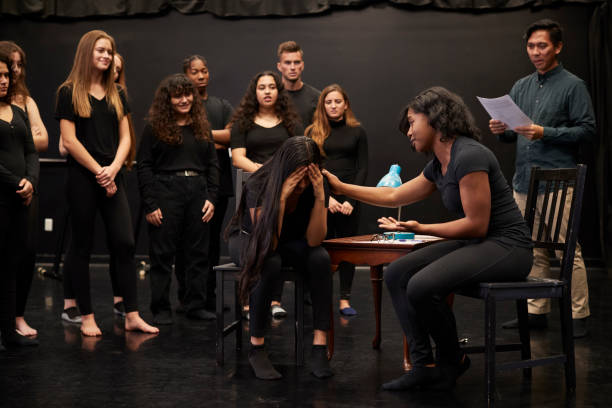
Crafting Your Path to Success with an Effective Actor Cover Letter
An actor’s cover letter is often the first impression you make on casting directors, agents, or potential employers. It serves as an opportunity to showcase your personality, professionalism, and passion for acting. A well-crafted cover letter can set you apart from the competition and open doors to auditions or representation.
Why an Actor Cover Letter is Essential
- Your personality: Casting directors want to see who you are beyond the roles you’ve played.
- Communication skills: A clear and concise cover letter demonstrates professionalism.
- Motivation: Explaining why you’re interested in a specific project or opportunity shows genuine enthusiasm.
Key Elements of an Effective Cover Letter
- Introduce yourself briefly.
- State why you’re writing (e.g., responding to a casting call, seeking representation).
-
Mention any mutual connections or referrals if applicable.
- Highlight relevant experiences that align with the role or opportunity.
- Discuss unique aspects of your training, previous projects, or skills (e.g., dialects, dance, stunt work).
-
Share what excites you about this particular project or company.
- Express gratitude for their time and consideration.
- Indicate your availability for further discussion or auditioning.
- Provide contact information clearly.
Writing Tips for Crafting a Strong Cover Letter
- Keep it concise: One page is ideal; avoid rambling.
- Tailor it: Customize each letter for the specific role, project, or agency you’re applying to.
- Focus on strengths: Highlight what makes you unique without exaggeration.
- Use professional formatting: Ensure proper alignment, fonts (e.g., Arial/Times New Roman), and spacing.
| Section | Key Focus |
|---|---|
| Opening Paragraph | Who you are and why you’re reaching out |
| Body Paragraph(s) | Showcase relevant experiences/skills |
| Closing Paragraph | Gratitude + contact details |
Example Actor Cover Letter Template
“` [Your Name]
[Your Address]
[City, State ZIP Code]
[Email Address] | [Phone Number]
[Date]
[Recipient’s Name]
[Company/Casting Agency Name]
[Address Line 1]
[City, State ZIP Code]
Dear [Recipient’s Name],
I am writing to express my interest in [specific role/project name]. As a trained actor with [X years of experience in film/theater], I have had the chance to develop my craft through [specific training/previous works]. The opportunity to collaborate with [company name/project details] deeply resonates with my artistic goals because [specific reasons].
Having studied under [acting coach/school], I gained valuable experience in [specific technique—e.g., Meisner Method]. Additionally, my recent work in [specific production/film/theater piece] allowed me to hone my abilities in portraying complex characters effectively.
I am particularly drawn to this opportunity due to [unique connection—e.g., shared vision/admiration of their projects]. I would be grateful for the chance to contribute my talents while continuing my growth as part of your team.
Thank you for considering my application; please find attached my headshot and résumé for reference. I would welcome the opportunity for an audition at your earliest convenience and can be reached at [phone number/email address].
Warm regards,
[Your Full Name] “`
Final Thoughts
A strong actor cover letter bridges the gap between talent and opportunity by allowing casting professionals insight into who you are as both a performer and person. By structuring it thoughtfully and tailoring it specifically for each application, you’ll enhance your chances of making meaningful industry connections that propel your career forward.
Discover Your Talent with Expert Guidance in NYC Acting Classes
Acting classes serve as a foundation for actors at every stage of their career. Whether you are a beginner eager to step into the world of acting or an experienced performer refining your craft, the guidance provided by expert instructors can unlock potential you might not even realize you have. Here’s how professional acting classes help you grow and develop as an artist.
Why Expert Guidance Matters
- Tailored Feedback: A skilled instructor identifies your specific strengths and areas for improvement, offering actionable advice that accelerates growth.
- Industry Insights: These professionals often have in-depth knowledge about casting processes, auditioning techniques, and industry trends that can give you a competitive edge.
- Skill Development: From voice modulation to emotional authenticity, expert instructors focus on developing the nuanced skills needed for versatile performances.
The mentorship provided in such settings helps actors build confidence while sharpening technical and creative abilities.
Skills You Can Build in Acting Classes
| Skill Area | How Classes Help Improve It |
|---|---|
| Emotional Depth | Exercises like improvisation and scene work help portray complex emotions authentically |
| Voice and Diction | Vocal techniques refine clarity, projection, and modulation |
| Physicality | Body movement training ensures dynamic stage/screen presence |
| Audition Techniques | Mock auditions prepare students for real-world casting situations |
By focusing on these aspects under the watchful eye of an experienced coach, actors can achieve holistic growth.
Structured Progression with Expert Instructors
- Foundational Training: Beginners work on basics like stage presence, voice control, and understanding scripts.
- Intermediate Focus: Intermediate performers tackle deeper character development and emotional expression techniques.
- Advanced Mastery: Advanced students fine-tune their craft with workshops centered around auditioning or working on-camera.
This progression ensures that each individual is consistently challenged without feeling overwhelmed.
Networking Opportunities Through Professional Classes
- Participation in showcases where agents may scout talent.
- Insights shared by guest lecturers who are active professionals.
- Collaboration with peers who may become future colleagues.
The relationships fostered during these sessions can play a significant role in building your career over time.
Final Thoughts on Unlocking Potential
Acting classes guided by experts are more than just lessons; they serve as transformative experiences that allow artists to discover untapped skills while mastering new techniques. The combination of tailored feedback, structured growth paths, networking opportunities, and practical insights creates an environment where any actor—regardless of experience—can flourish professionally under proper mentorship.
Discover the Best New York Acting Schools to Unlock Your Potential
Acting is a craft that requires continuous learning, dedication, and refinement. Whether you’re a beginner or an experienced actor, expert guidance through professional acting classes can help you unlock your true potential. Here’s how these classes can provide invaluable tools and insights to elevate your career.
Benefits of Expert Guidance in Acting Classes
- A skilled acting coach provides tailored critiques to help you identify your strengths and areas for improvement.
-
Constructive feedback allows you to refine techniques like voice modulation, body language, and emotional expression.
- Acting classes often follow a structured syllabus covering diverse aspects of the craft such as scene study, improvisation, character development, and more.
-
This organized approach ensures comprehensive skill-building.
- Working under the mentorship of an expert boosts your self-assurance by preparing you for on-screen or stage performances.
-
Frequent practice in a supportive environment reduces stage fright and enhances poise.
- Engaging with instructors who have industry experience can connect you with casting directors, agents, and other professionals essential to your career growth.
-
Collaborating with fellow students also builds relationships that may lead to future projects.
- Professionals guide students through various acting methods like Stanislavski’s system, Meisner technique, or Method acting, allowing actors to find what works best for them.
- Learning multiple approaches enhances adaptability across different roles and genres.
Key Skills You Can Develop
| Skill Area | Benefits | Example Techniques |
|---|---|---|
| Voice Training | Improves clarity and projection | Breathing exercises, articulation drills |
| Emotional Expression | Helps portray authentic emotions | Emotion recall exercises |
| Body Language | Enhances physical presence on stage or screen | Movement workshops |
| Improvisation | Sharpens creativity and spontaneity | “Yes And” games |
| Script Analysis | Deepens understanding of character motivations | Breaking down scenes line by line |
What Makes an Acting Coach Effective?
- Experience: Coaches with years of industry knowledge bring practical insights into their teaching methods.
- Communication Skills: A great teacher articulates complex concepts clearly while fostering an encouraging atmosphere.
- Adaptability: Each actor learns differently; effective coaches tailor their approach based on individual needs.
- Focus on Growth: Rather than just celebrating natural talent, top mentors prioritize helping students develop skills over time.
How to Make the Most of Your Acting Classes
- Be Open-Minded: Embrace feedback without defensiveness—it’s vital for improvement.
- Practice Consistently: Dedicate time outside class to rehearse techniques learned during sessions.
- Collaborate: Work closely with classmates during group activities; this fosters trust and teamwork on set.
- Set Goals: Define specific objectives (e.g., mastering accents or improving screen presence) so you can measure progress effectively.
Investing in expert guidance through acting classes is not just about learning new skills—it’s about discovering parts of yourself that enhance both personal growth and professional success as an actor.
- NYC Acting Classes: Improv Techniques for Confidence, Connection, and Emotional Growth
- Top Acting Schools in New York: Your Path to Opportunities in TV, Film, and Commercials
- Top Acting Classes NYC: Elevate Your Skills with Paramount Techniques
- The Performer’s Academy: Your Guide to the Best Acting Classes New York Has to Offer
- Master Your Craft at Top Acting Schools in New York
- What to Consider When Choosing the Best Acting Classes New York Has to Offer
- How to Choose the Best Acting Classes New York Has to Offer for Your Growth as an Actor
- 6 Essential Tips for Success and Believing in Yourself Through Acting Classes NYC
- The Ultimate Beginners Guide to Acting Classes NYC: Tips to Boost Your Skills